Departure is from your hotel, in a private vehicle, towards Bairro do Uruguai — one of the most representative territories in the social and urban history of Cidade Baixa de Salvador. There, a community leader or representative welcomes the group and presents the formation of Alagados: houses built on old stilts by the sea, the urbanization processes and the historical struggle of residents for housing, education and better living conditions. We continued to the Residents Association of Conjunto Santa Luzia, where we learned about the trajectory of the community organization, and walked along Enseada dos Tainheiros, where the relationship between the neighborhood, the sea and Baía de Todos os Santos is revealed at every step — fishing, memory of the stilt houses and local identity intertwined. We also visited Igreja Nossa Senhora dos Alagados, a religious, historical and social reference built in an area marked by its proximity to the bay.
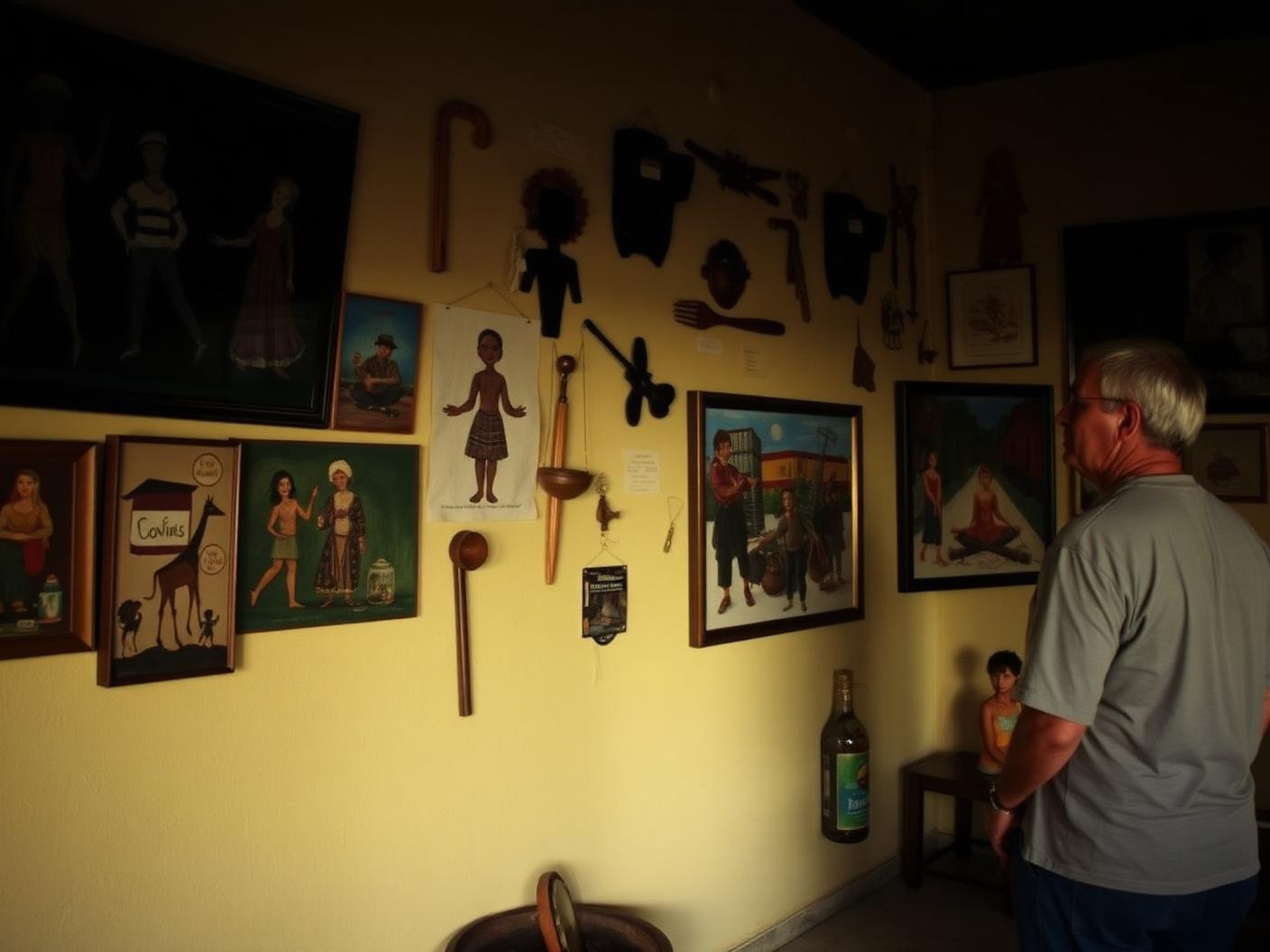
From there, we continued along the Subúrbio Ferroviário towards Plataforma, crossing urban landscapes shaped by the constant presence of the bay, until we reached the true difference of this experience: the Acervo da Laje, a community space dedicated to preserving the artistic production, memory and identity of the Subúrbio Ferroviário. Its collection brings together works by local artists, objects, documents, images and narratives that tell the history of the region from the perspective of those who live there — artistic expressions that, for a long time, were outside the city's traditional cultural circuits. The meeting invites a reflection on who produces the official memory of a city, which stories receive visibility and how art can be an instrument of belonging and social transformation.
The journey is completed with a Bahian lunch overlooking Subúrbio Ferroviário and the bay, in a restaurant, family kitchen or community establishment selected within the territory — more than a break, an extension of the cultural experience itself, where flavors, ingredients and preparation methods tell stories of ancestry, family and tradition. When choosing a community enterprise, the experience directly contributes to the circulation of income in the territory. We ended with a final conversation about art, memory, territory and identity, before returning to the hotel.