Sacred Roots — African Heritage
Salvador Ancestry — African Heritage City Tour
- Approximately 4 hours.
- Private
- On request
Salvador
A journey through time: from the city's colonial cradle to the banks where African heritage remains alive in the present.
This itinerary is a chronological and territorial crossing of Salvador — from the oldest point of the city, the Historic Center, to the contemporary reality on the banks of Baía de Todos os Santos, a post-Abolition refuge region and the most peripheral of Salvador. More than visiting museums, you cross time: from institutionalized memory in preservation spaces to a Salvador forgotten by authorities for more than a century, but resistant in its existence.
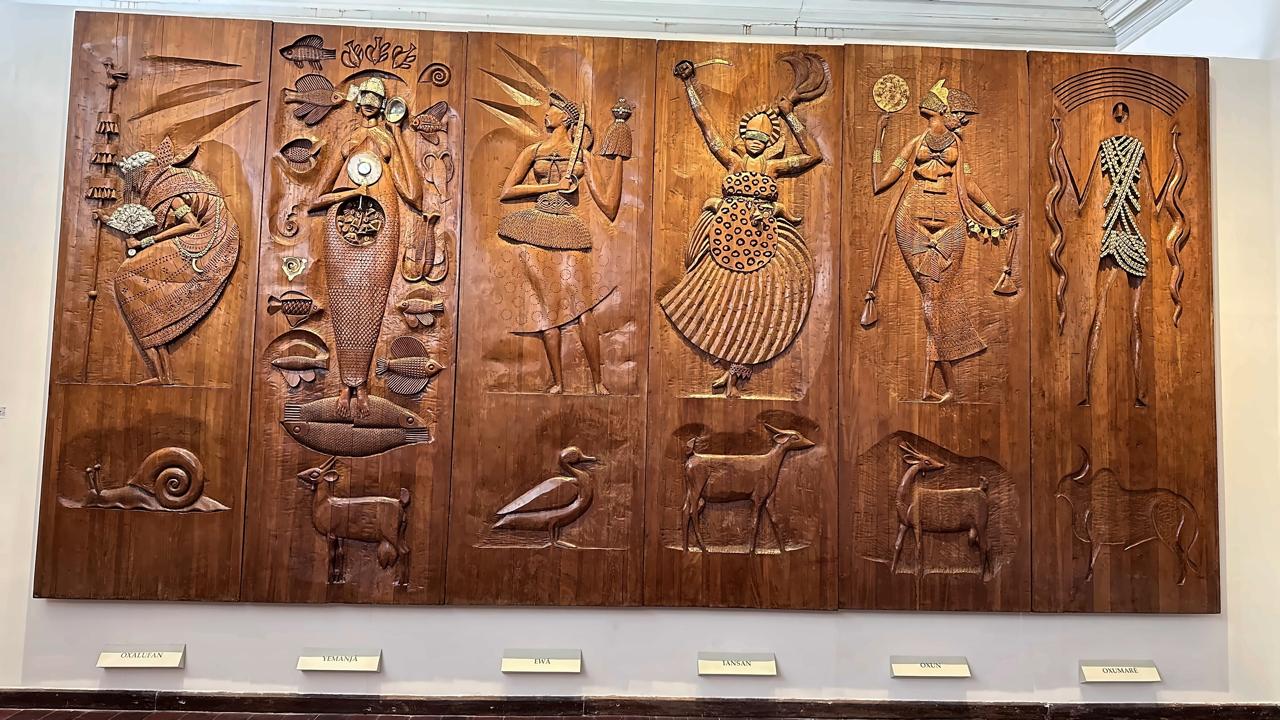
At Pelourinho, we start with MUNCAB — Museu Nacional da Cultura Afro-Brasileira — and continue with Museu do Carnaval, dedicated to the cultural and musical manifestations of Bahia: two complementary institutional readings on how African heritage was documented, preserved and celebrated over time.
We descend through the iconic Elevador Lacerda to the basement of Mercado Modelo, a region historically used for storing goods and surrounded by popular stories linked to the period of slavery in Salvador — the oldest and most tense layer of memory that this route traverses.
From Cidade Baixa, we continue with a panoramic view towards the Railway Suburb — the most peripheral region of Salvador, formed largely by communities that sought refuge on these shores after Abolition, when the formal city continued to deny space, housing and recognition to the recently freed black population. There you find a Salvador forgotten by the authorities for more than a century, but which resists, organizes itself and continues to live on its own. We stop for lunch at a fishing family restaurant, where this resistance appears not as speech, but as routine, flavor and daily sustenance.
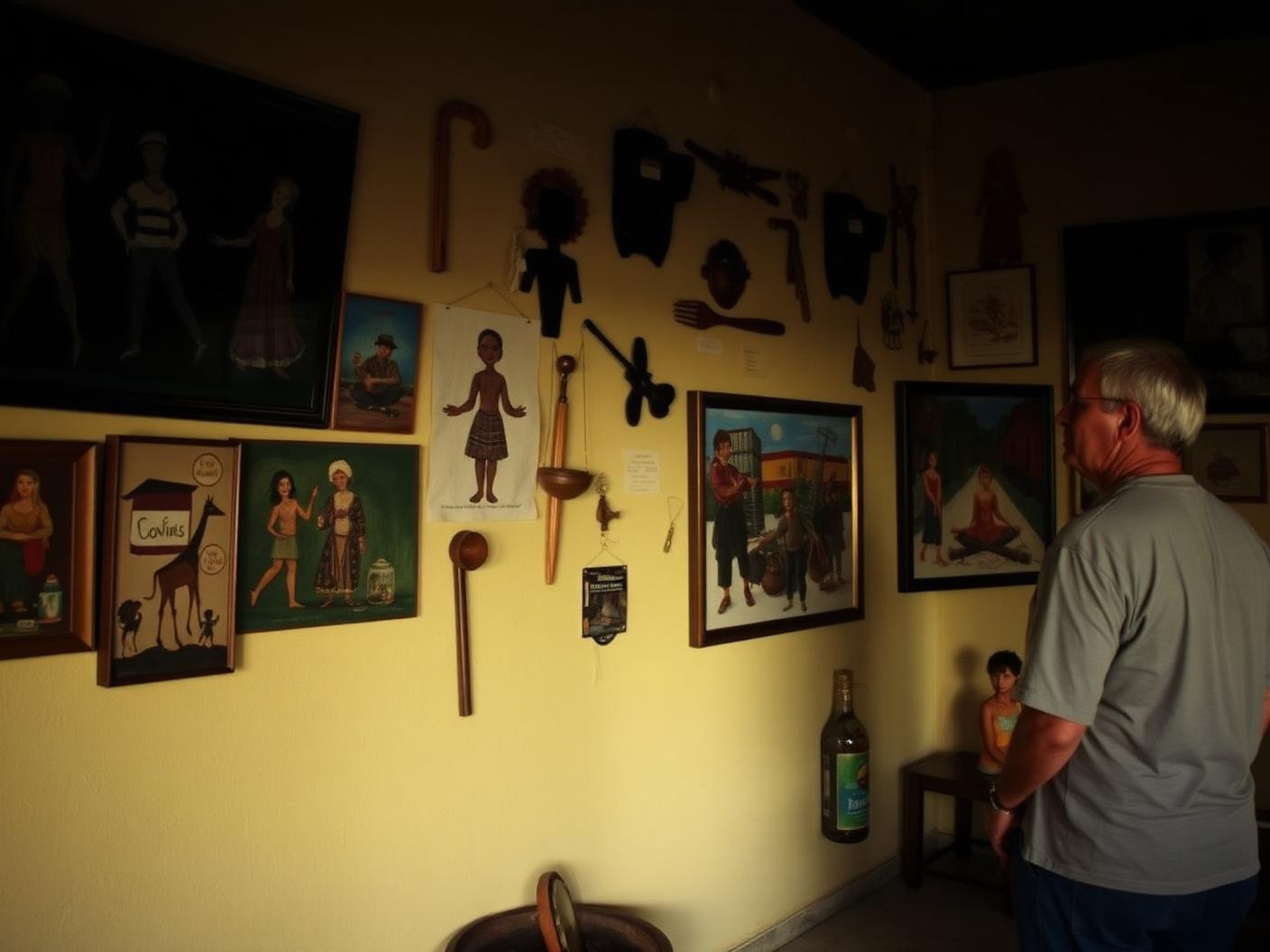
After lunch, we visited Museu da Laje, a space dedicated to the appreciation of peripheral art and urban black culture — the point where the itinerary closes the circle: from its origins in the Historic Center to the living resistance in its most forgotten margins.
An itinerary designed as a timeline: each stop represents a different layer of how Salvador kept, and still keeps, his African heritage. More than museums, it reveals to Salvador that the official city insists on forgetting — peripheral, resistant, and living on its own.
Request this experienceSacred Roots — African Heritage
Sacred Roots — African Heritage
Sacred Roots — African Heritage