Birthplace of Brazil — The Essential Milestones of Salvador
Two Cities, One Day — Salvador High and Low
- Approximately 6 hours
- Private
- On request
Salvador
An intimate reading of Brazil's first capital, led by those who know how to read this city like few others.
1 / 3
This is not a tour of tourist attractions — it is an authorial reading of the power, faith and life that made Salvador the first capital of Brazil, led by a guide who knows the city beyond the obvious. In four entirely private hours, you understand why this stretch of coastline was chosen to govern an entire country, and discover layers of history that most visitors never get to see.
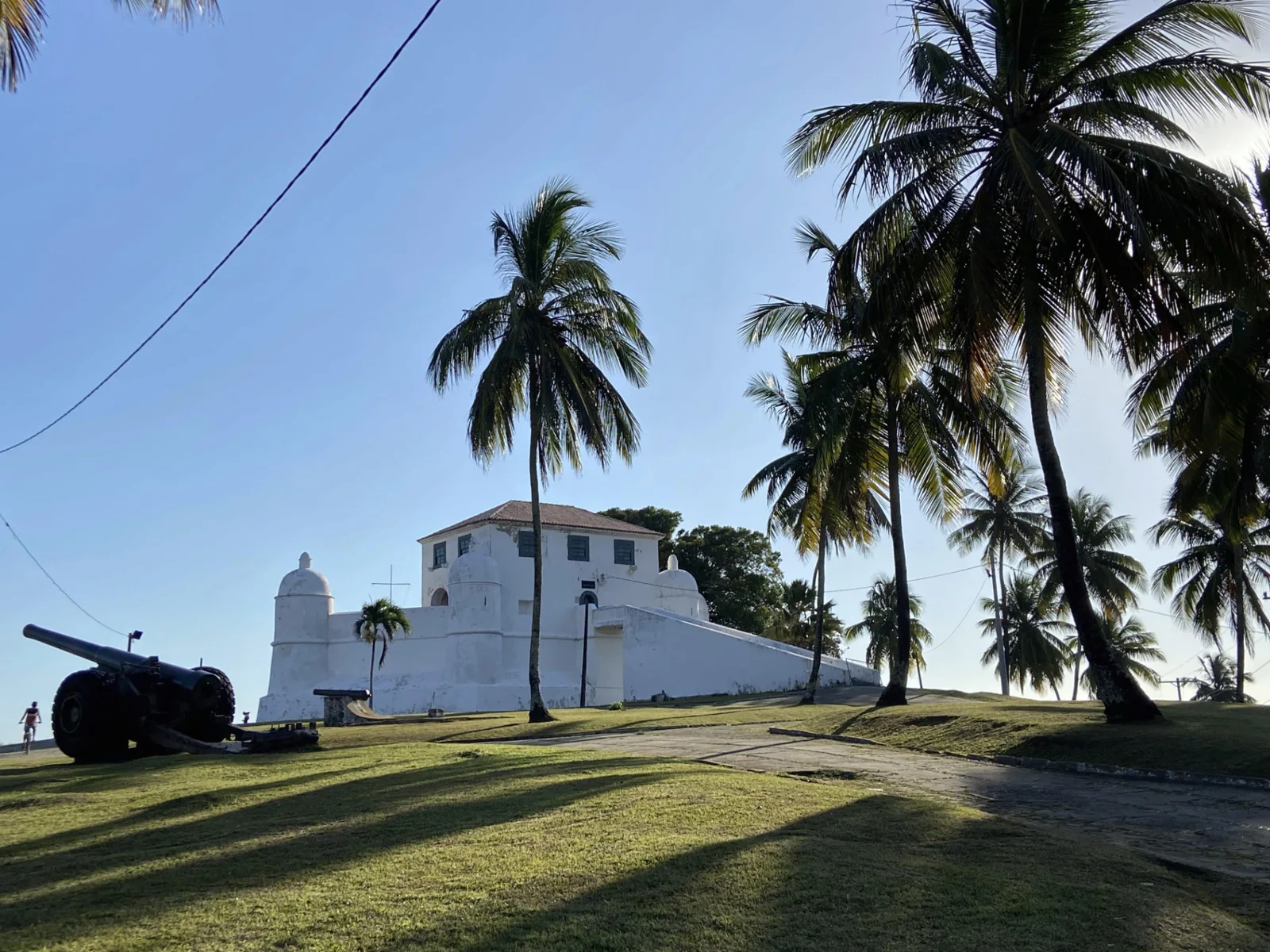
We start at Farol da Barra, next to the fort that for centuries guarded the entrance to Baía de Todos os Santos — and, with the view opening over the sea, you understand at a glance why the Portuguese chose this point to defend the territory. By car, we followed the edge of Porto da Barra, where two other colonial forts complete this old defense belt, to the Vitória Corridor — for generations, the most coveted address in Salvador, still today one of the most valued in the Northeast, with its mansions that witnessed the life of the Bahian elite. We pass through Praça do Campo Grande, where the Monument to the Two of July celebrates the entry of the army that guaranteed the independence of Bahia.
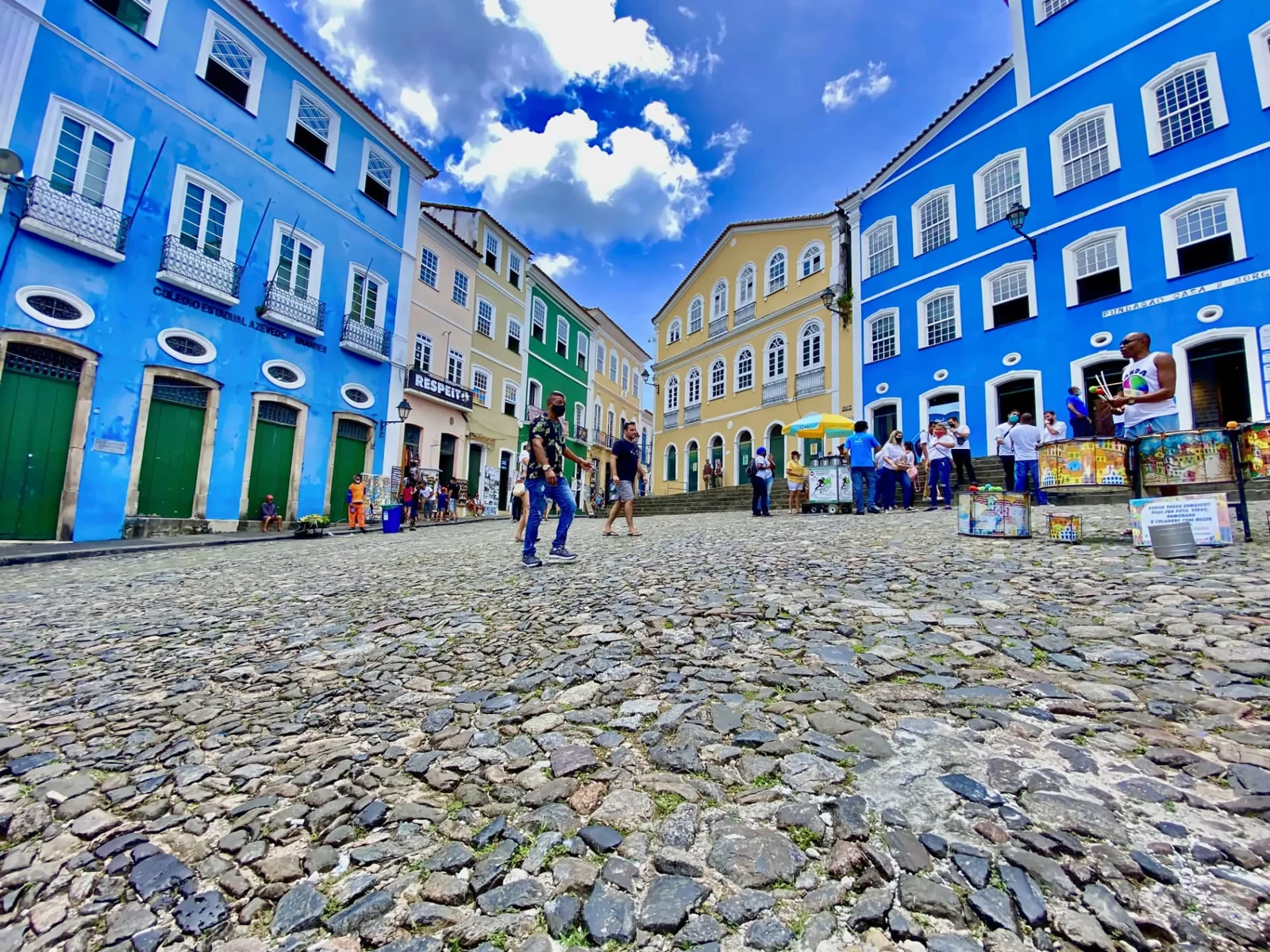
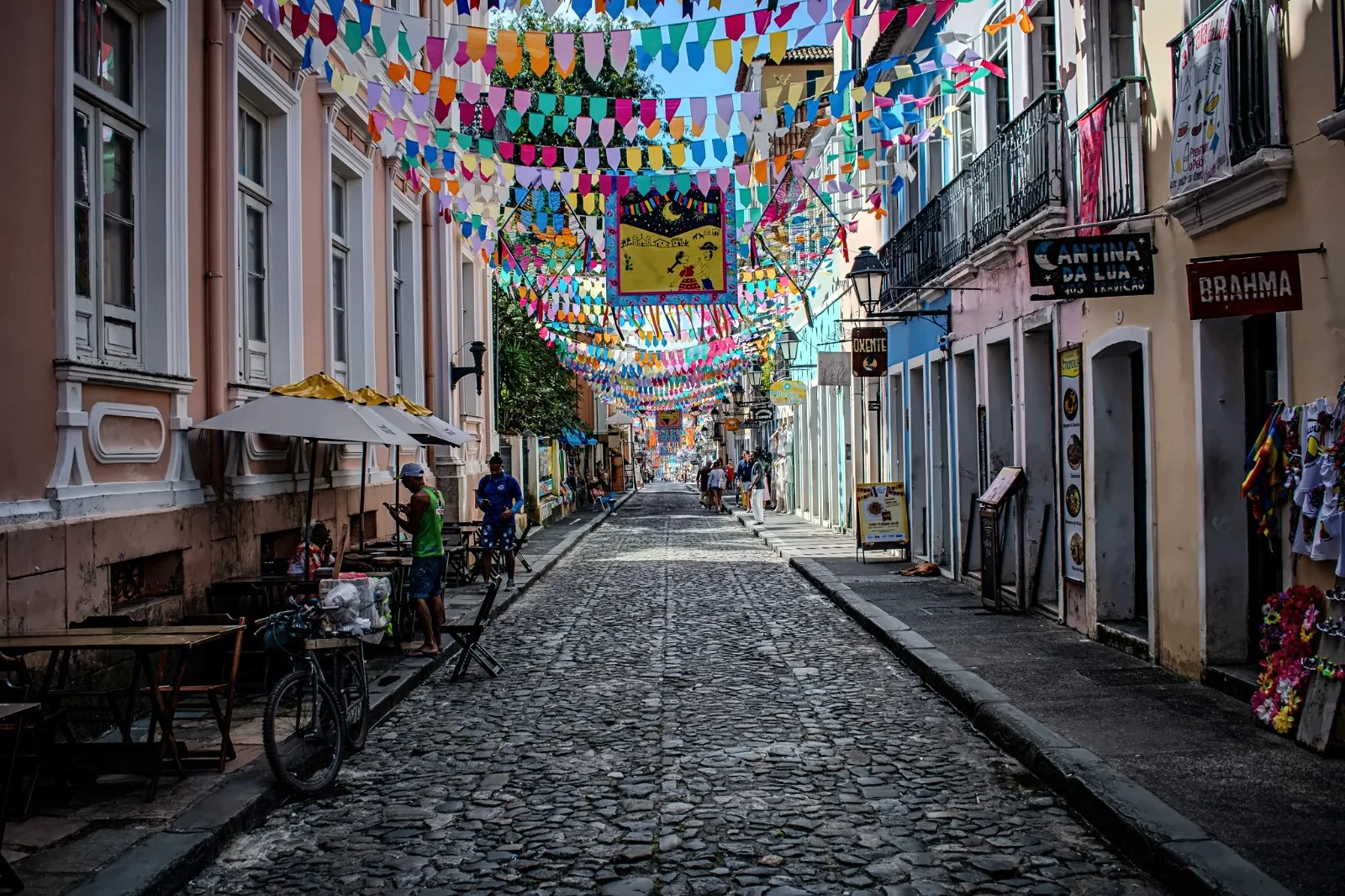
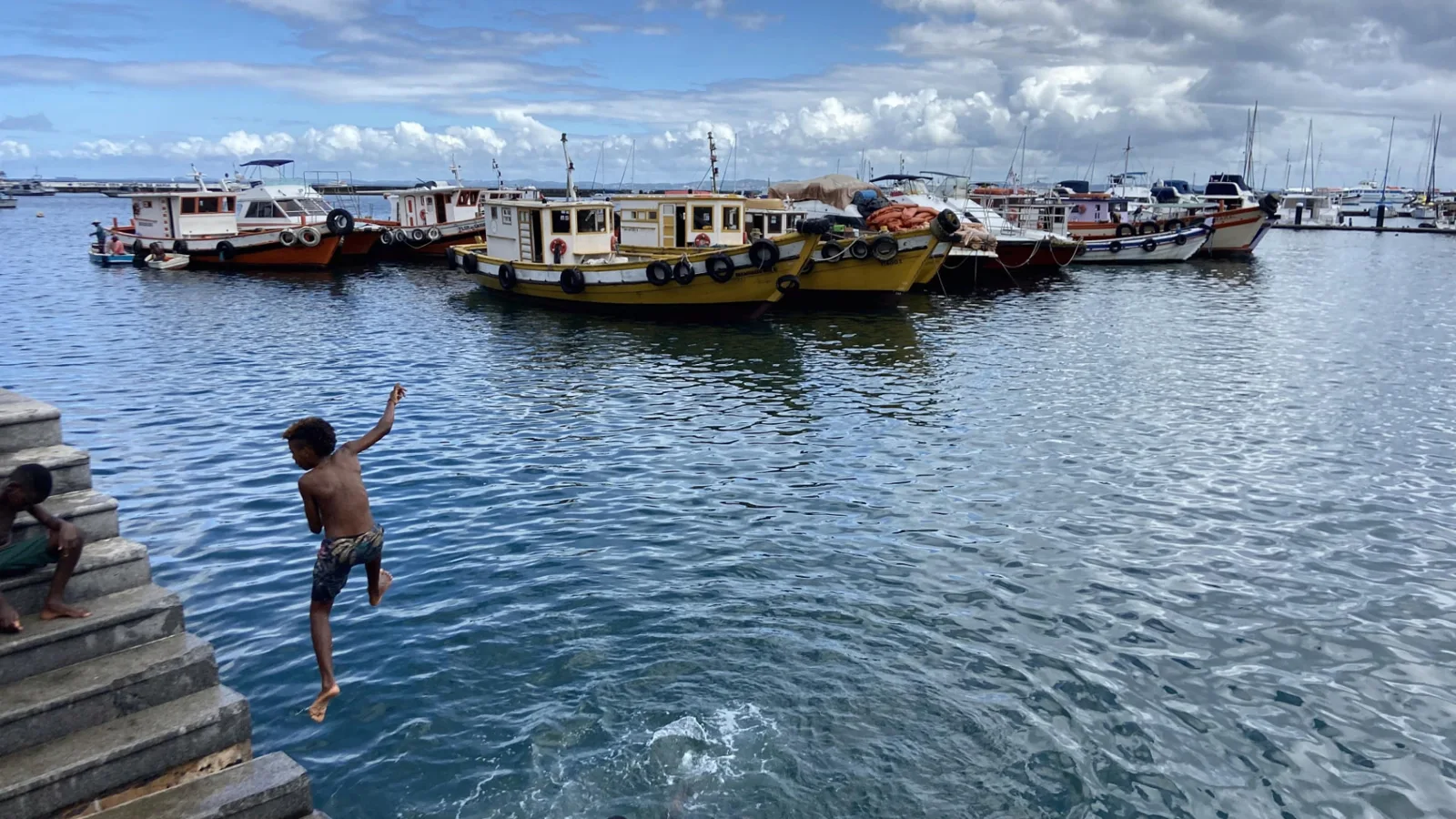
We arrived at the Historic Center through the Elevador Lacerda square — a natural viewpoint over Baía de Todos os Santos, with Cidade Baixa and the sea opening up before you. It is from here that we start walking, and it is here that the colonial Salvador stops being a scene and becomes an experience: the irregular stone underfoot, the colorful houses, the sound of footsteps echoing down the hills. We visited Catedral Basílica, headquarters of Brazil's first archdiocese, which houses one of the country's rare Mannerist altars, and continued on to Terreiro de Jesus, where a historic fountain — fed by one of the first piped water systems in Brazil — still impresses with its engineering.
We arrived at Largo do Pelourinho, the stage for one of the most memorable moments in world pop culture: it was here that Michael Jackson, under the direction of Spike Lee, recorded the video for "They Don't Care About Us" alongside Olodum — a film that projected this ground, the same one you walk on now, onto billions of screens around the planet. We continued on foot to Carmo, ending up in the charming neighborhood of Santo Antônio Além do Carmo, next to the historic Cruz do Pascoal, one of the most picturesque landmarks of colonial Bahia.
Along the way, there is space to include a visit to a museum of interest if you wish to deepen the experience even further.
A script designed not to "see" Salvador, but to read her — with the depth of someone who knows that every stone has a story, and the exclusivity of an entirely private experience. Book your appointment and start reading Salvador on your own two feet.
Request this experienceBirthplace of Brazil — The Essential Milestones of Salvador
Birthplace of Brazil — The Essential Milestones of Salvador
Birthplace of Brazil — The Essential Milestones of Salvador