Sacred Roots — African Heritage
Salvador Ancestry — African Heritage City Tour
- Approximately 4 hours.
- Private
- On request
Salvador
A living cultural landscape, shaped by the strength, resilience and legacy of Brazil's African heritage.
This is not a tourist attractions itinerary: it is an anthropological reading by Salvador for those seeking understanding and real connection, not just conventional sightseeing. A full day of immersion guided by expert guides and people from the community, through markets and territories that carry African heritage alive in the city's daily life.
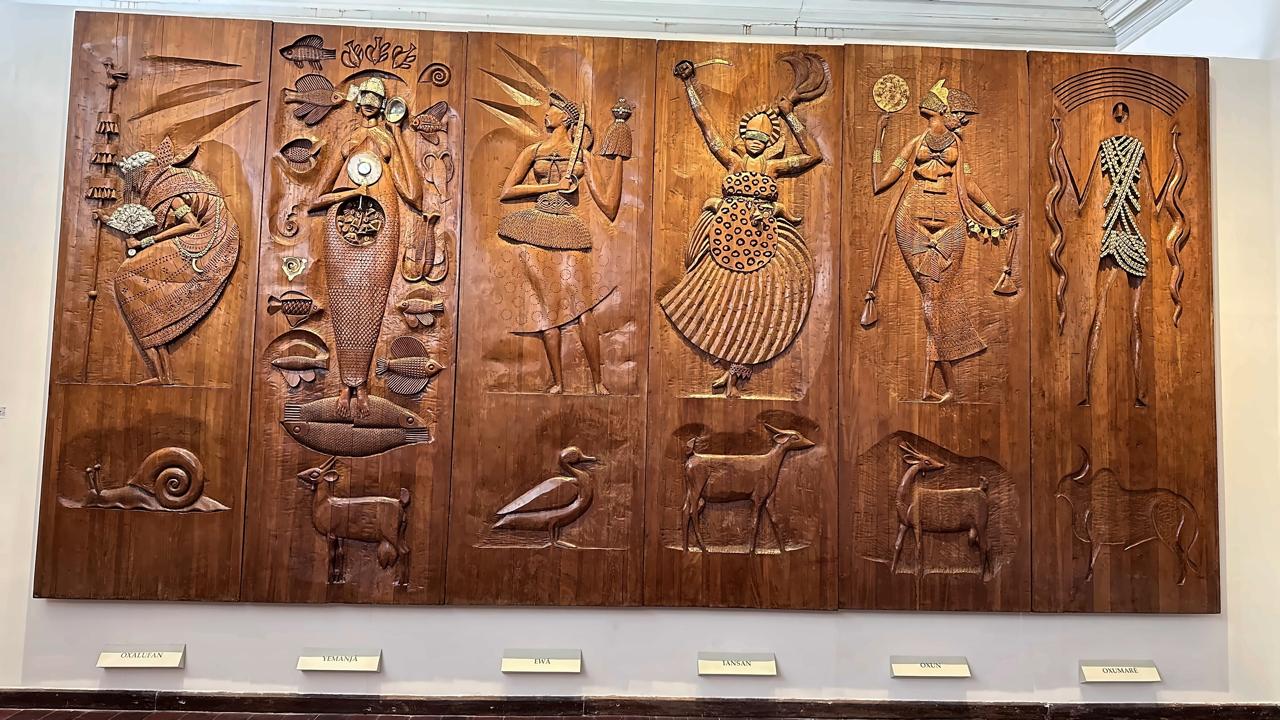
We begin in the historic center of Pelourinho, a UNESCO World Heritage Site, where the visit gains layers: to Museu Afro-Brasileiro we add the Pierre Verger Gallery, with the photographic collection of the French anthropologist who documented Afro-Bahian religiosity and life like few others; the Memorial das Baianas, dedicated to the figure of the Bahian woman of acarajé, a living heritage of Afro-Brazilian cuisine and aesthetics; and Igreja do Rosário dos Pretos, founded by one of the first black religious brotherhoods in the Americas. Together, these four stops make up a dense panorama of the African presence in the historic heart of Salvador.
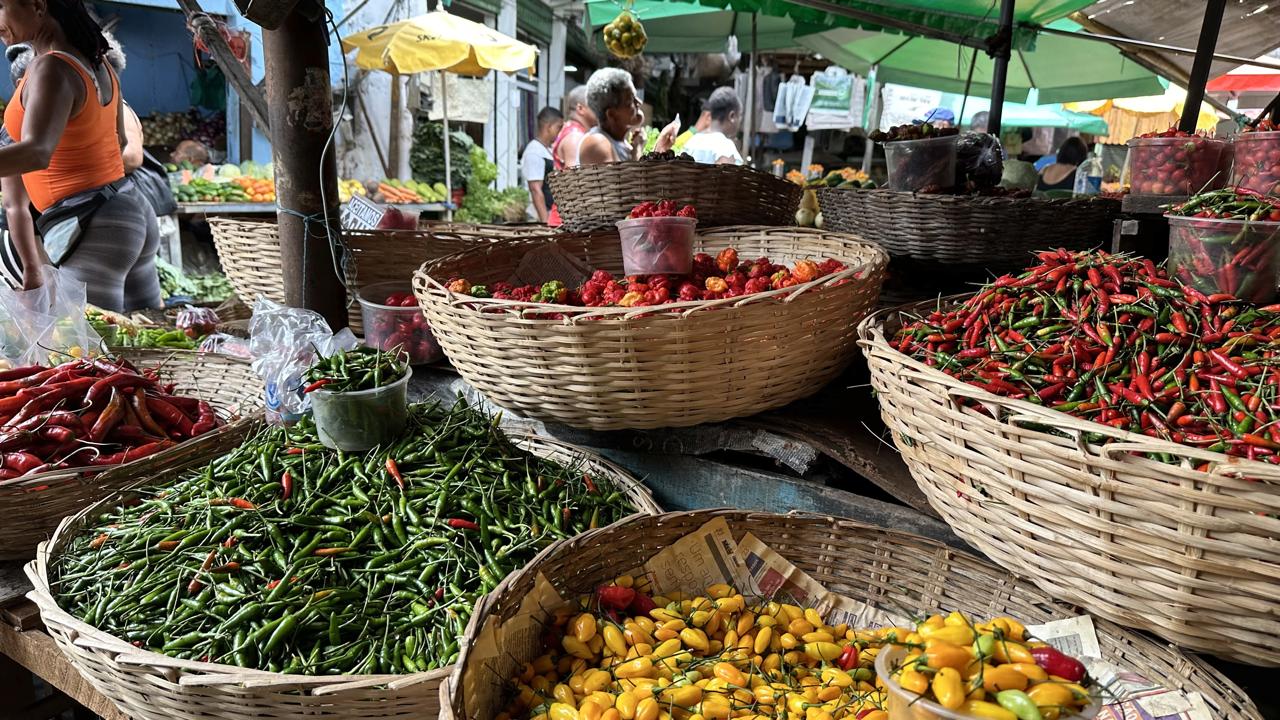
We continue towards the peripheral regions of the city, observing the social and urban transformations linked to Afro-Brazilian heritage, to Feira de São Joaquim, the largest and most traditional open-air popular market in Salvador, with roots in African traditions — a living study of economy, subsistence and popular culture.
From the fair, we headed to the popular neighborhood of Garcia, for a feijoada lunch at the Tia Leda restaurant — a stop that deviates from the conventional tourist circuit and requires a note of context: the restaurant is located within a favela community, run by the same family for over fifty years, which prepares and serves feijoada daily. The space is simple, without any sophistication in decoration — and it is exactly this simplicity, added to half a century of uninterrupted tradition, that transforms lunch into something rare: you are not in a restaurant designed for tourists, but sharing a table with a real history of resistance and permanence.
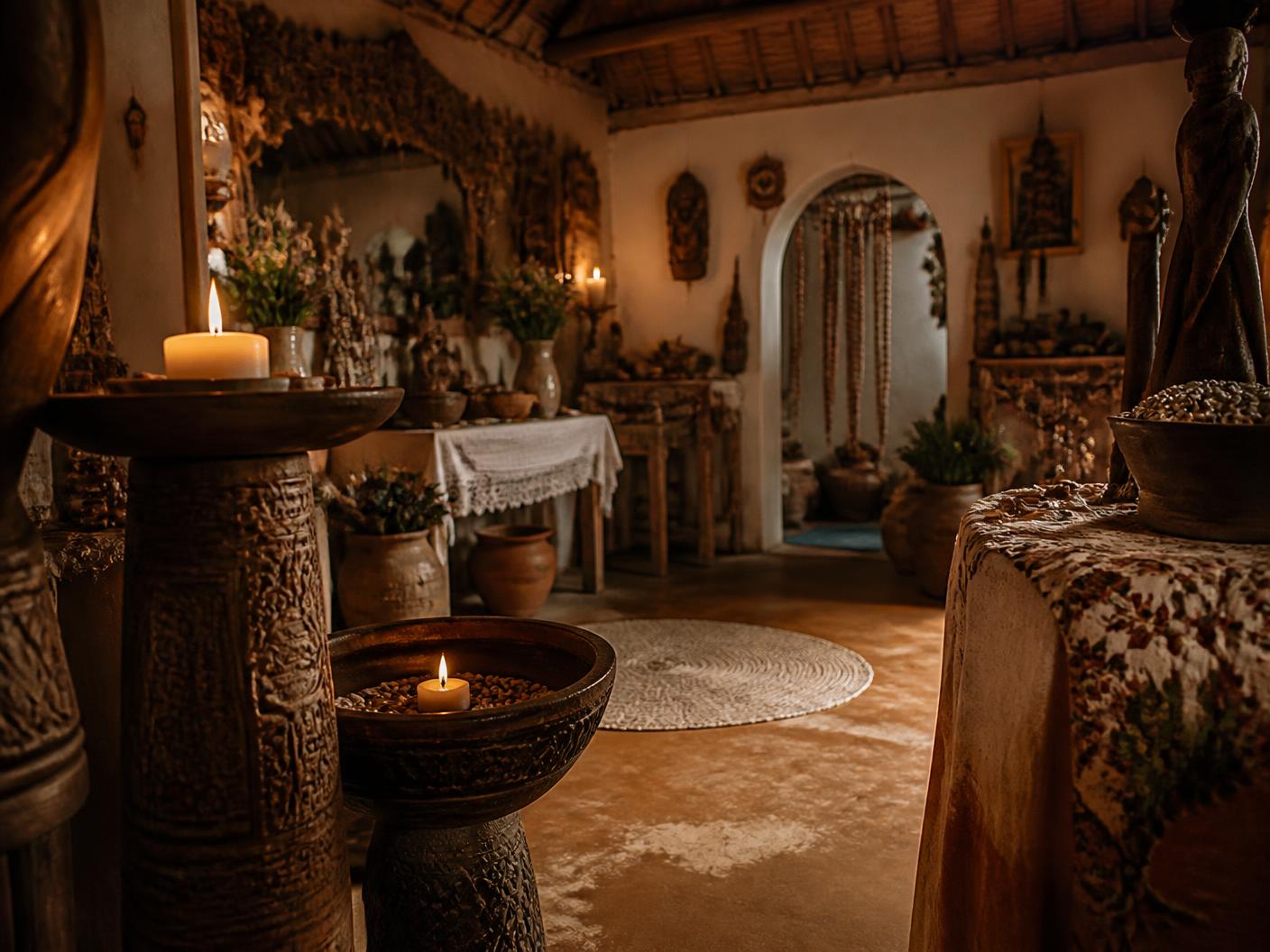
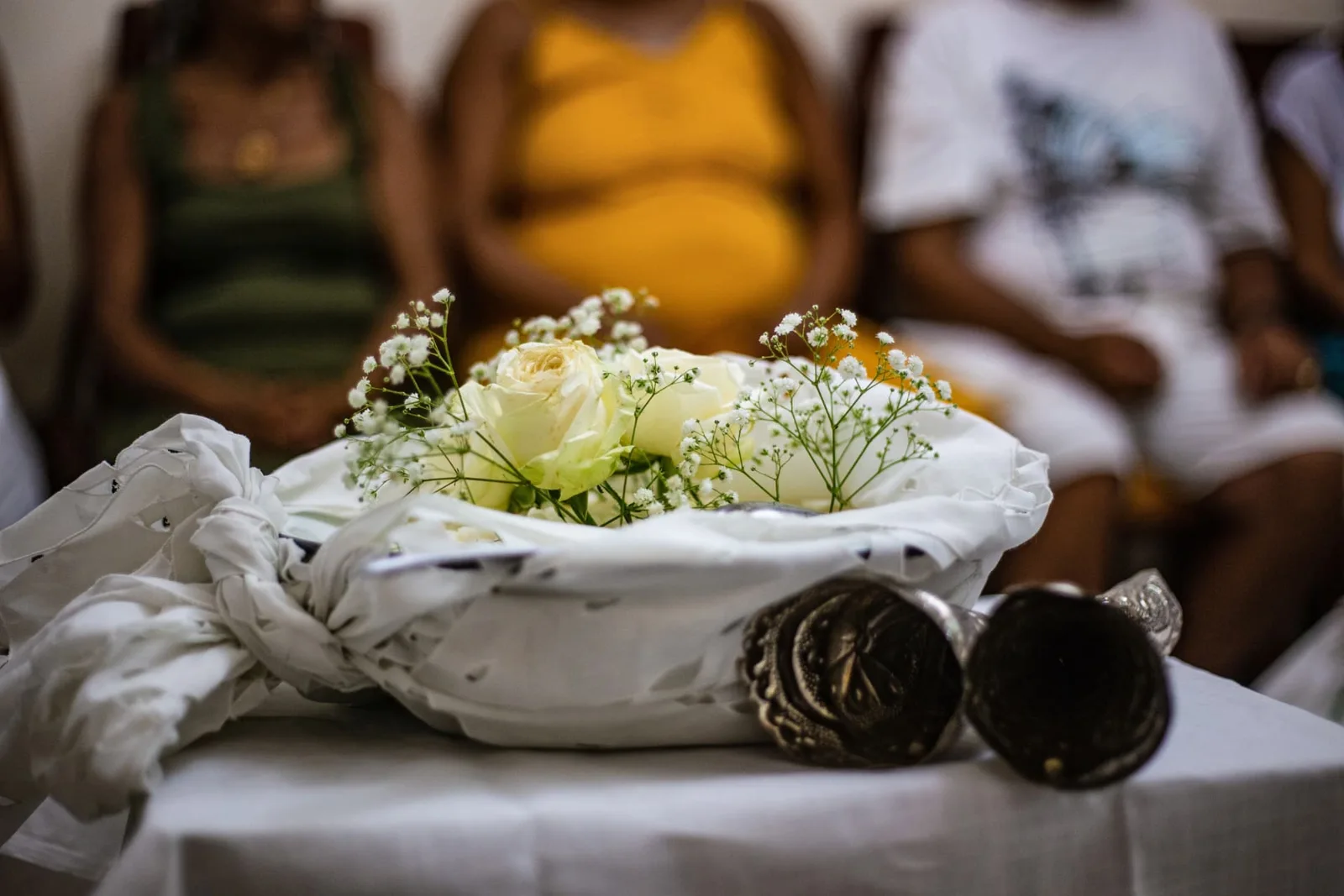
After lunch, we visited a Candomblé terreiro, not as spectators of a ritual, but to understand, through an anthropological lens, how this institution structured networks of resistance, solidarity and black identity over more than a century. We ended the journey at Casa de Iemanjá, at Rio Vermelho — a symbolic closure next to the altar dedicated to the water orixá.
An experience conducted with respect and real proximity to the communities visited — more than tourism, a human encounter. Lunch at Tia Leda is purposely simple: its value lies in history and authenticity, not in the sophistication of the environment.
Request this experienceSacred Roots — African Heritage
Sacred Roots — African Heritage
Sacred Roots — African Heritage