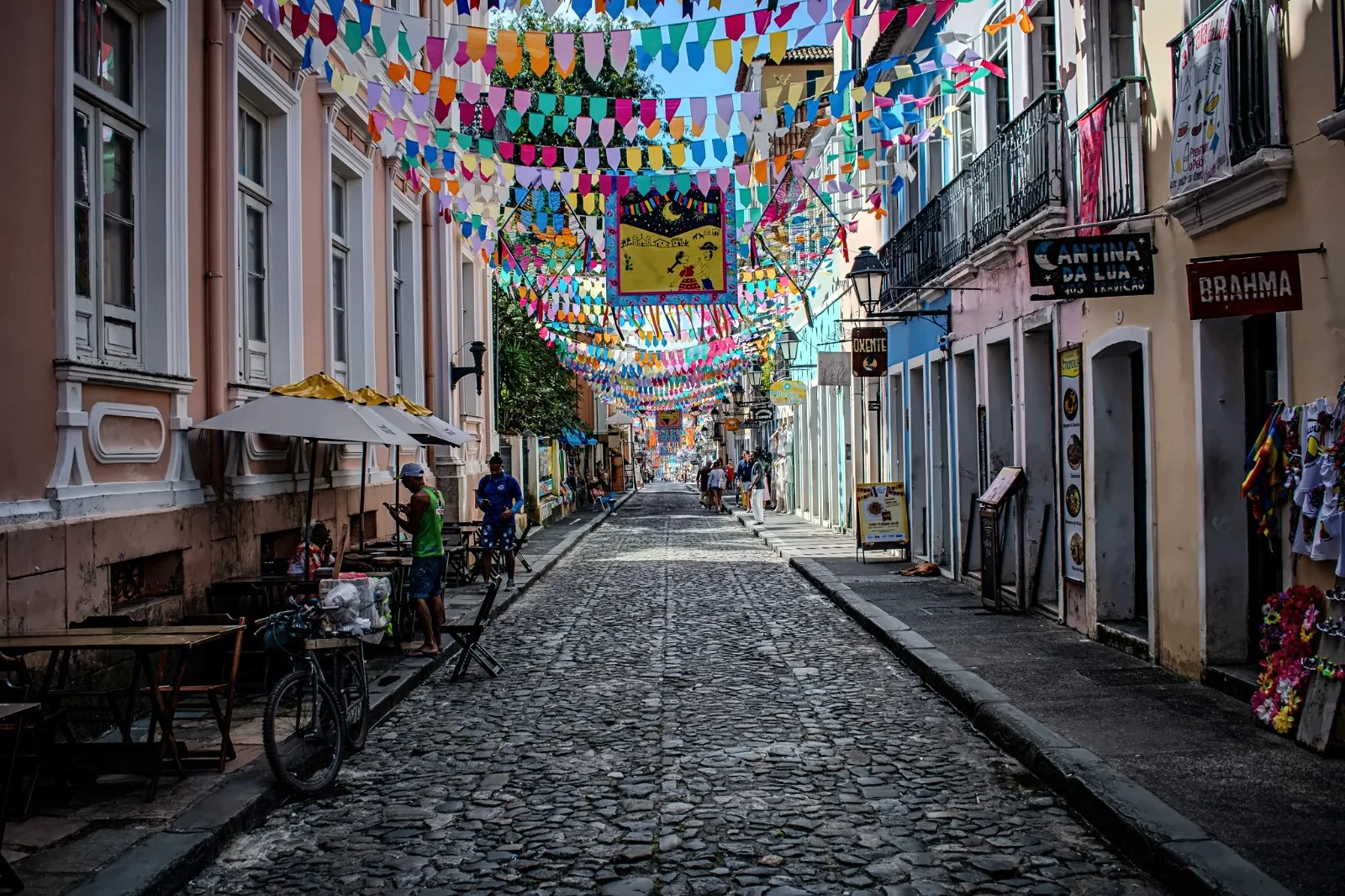
Birthplace of Brazil — The Essential Milestones of Salvador
Salvador in Half a Day — First Steps through the Colonial City
- Approximately 4 hours
- Private
- On request
Salvador
Three museums, three chapters of the Bahian soul — from colonial gold to baroque faith, from sugar aristocracy to Afro-contemporary creation.
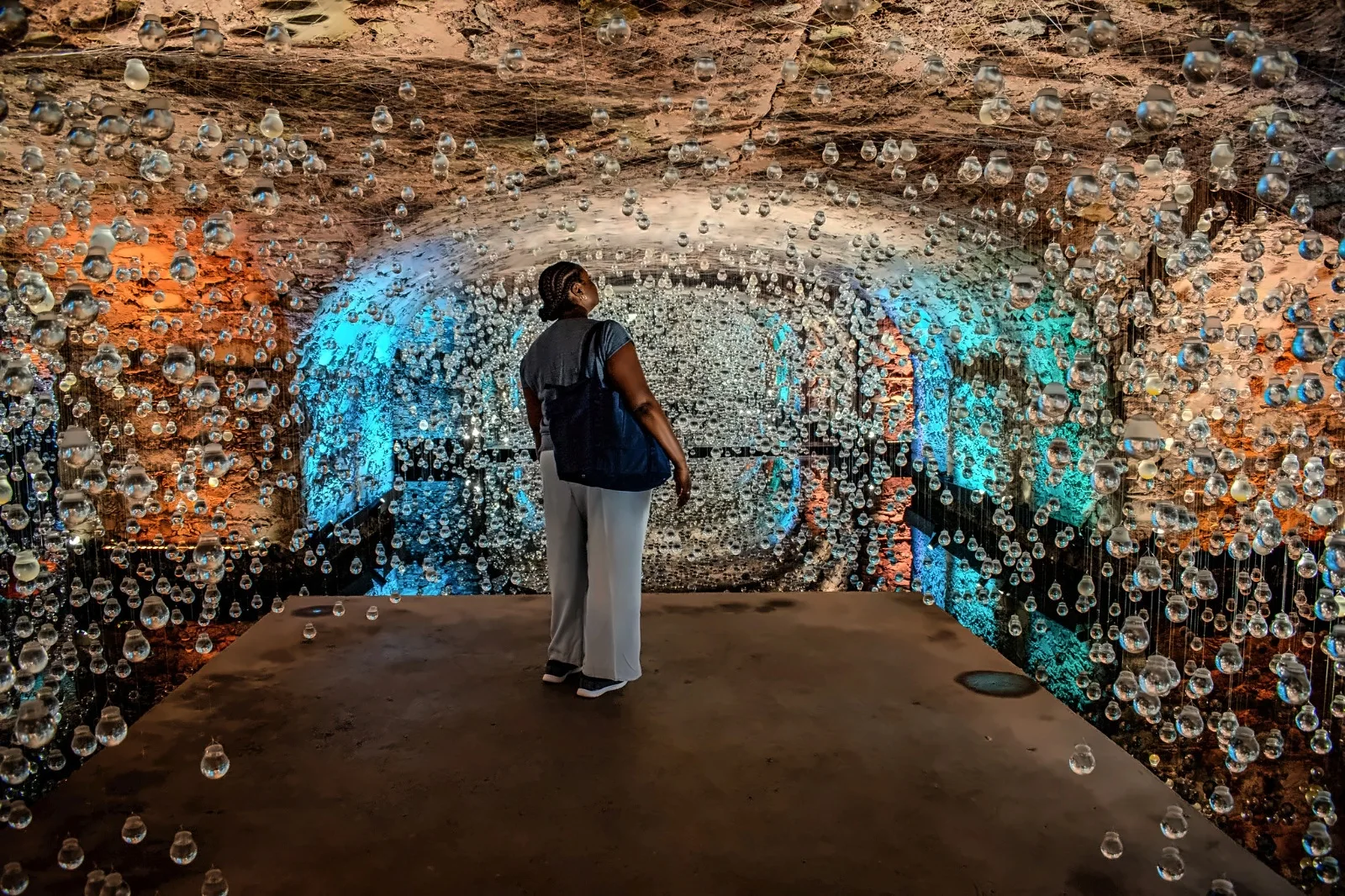
1 / 2
A private itinerary constructed as a narrative in three acts: the opulence of the 19th century sugar elite, the devotion that shaped Bahian sacred art for three centuries, and the strength of contemporary Afro-Brazilian creation. For travelers who already know the historical landmarks of Salvador and want to read it now through art.
We started at Museu Carlos Costa Pinto, installed in the mansion that Carlos de Aguiar Costa Pinto — himself linked to sugar exports — transformed, over more than two decades, into one of the most important decorative arts collections in Brazil. You walk through halls where the light reflects on the shine of the silver and porcelain, among furniture, crystals and a variety of jewelry that includes pieces from Recôncavo Baiano's ancient sugar aristocracy. The highlight of the collection, however, is another: the largest collection of Creole jewelry gathered in a museum in the world, including balangandãs — the silver amulets that black women wore around their waists, and whose tinkling you can almost imagine, a symbol of protection, resistance and, often, of their own freedom purchased piece by piece.
We head to Museu de Arte Sacra, installed in Convento de Santa Teresa, where the light from Baía de Todos os Santos enters through the windows and contrasts with the cool stone and the almost monastic silence of the corridors. You pass through rooms that house a collection from the 16th to 19th centuries — sculptures of saints, gilded carvings, canvases and liturgical pieces — going through the baroque, rococo and neoclassical styles that defined religious art at Bahia.
We end at MUNCAB, Museu de Arte Contemporânea Afro-Brasileira, where the narrative changes tone — and color: after the gold and stone, you enter a space of lively and contemporary lines, paintings and creations that bring black identity and today's Bahia into the same circuit, the necessary counterpoint to everything that came before. In the end, you leave having crossed, in just a few hours, from colonial gold to today's creation.
An itinerary designed for those who have already visited the historical landmarks of Salvador and want to deepen their reading through art — from colonial gold to contemporary creation. Reserve your morning or afternoon among museums and experience Salvador as few see it.
Request this experienceBirthplace of Brazil — The Essential Milestones of Salvador
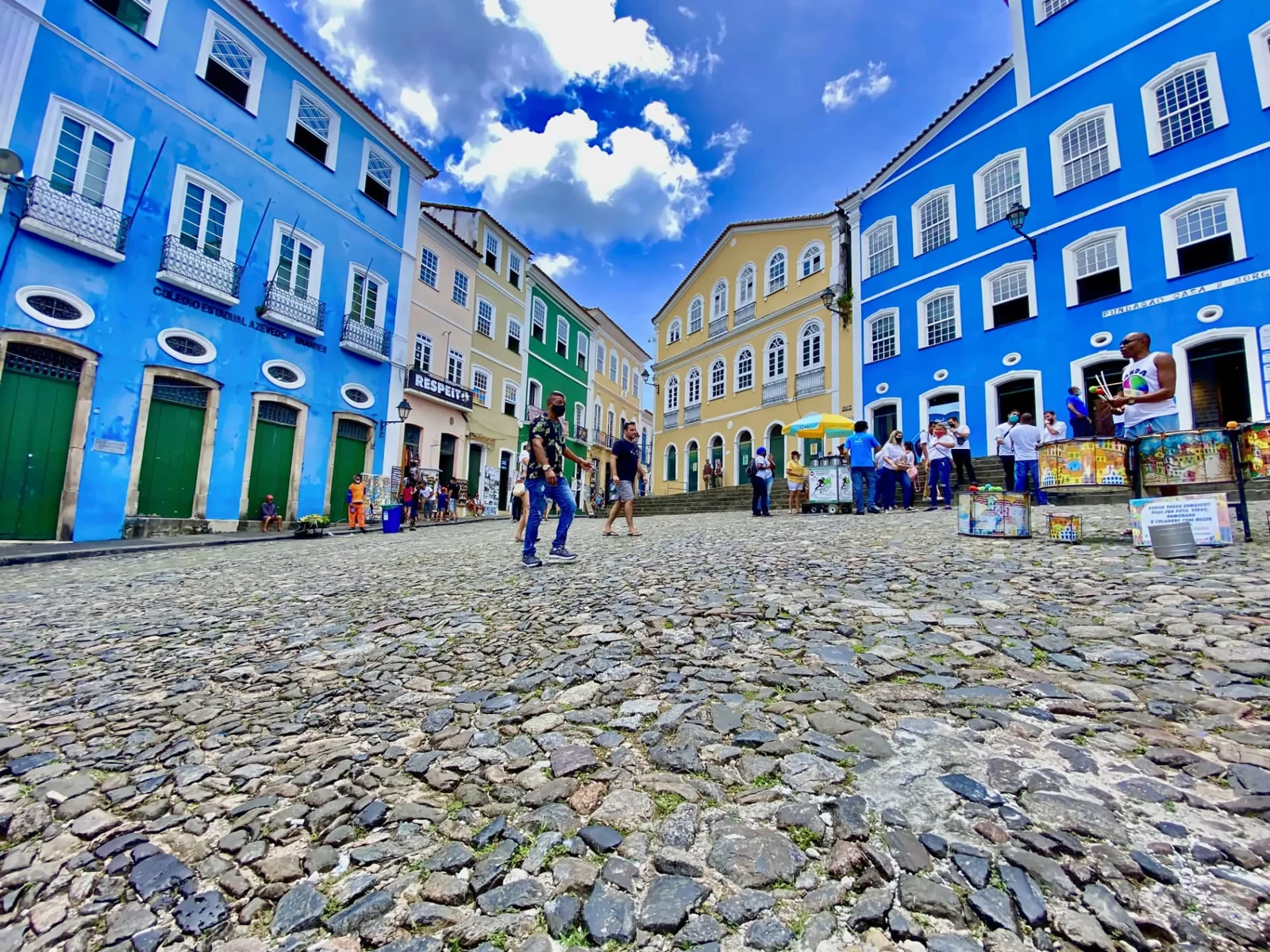
Birthplace of Brazil — The Essential Milestones of Salvador
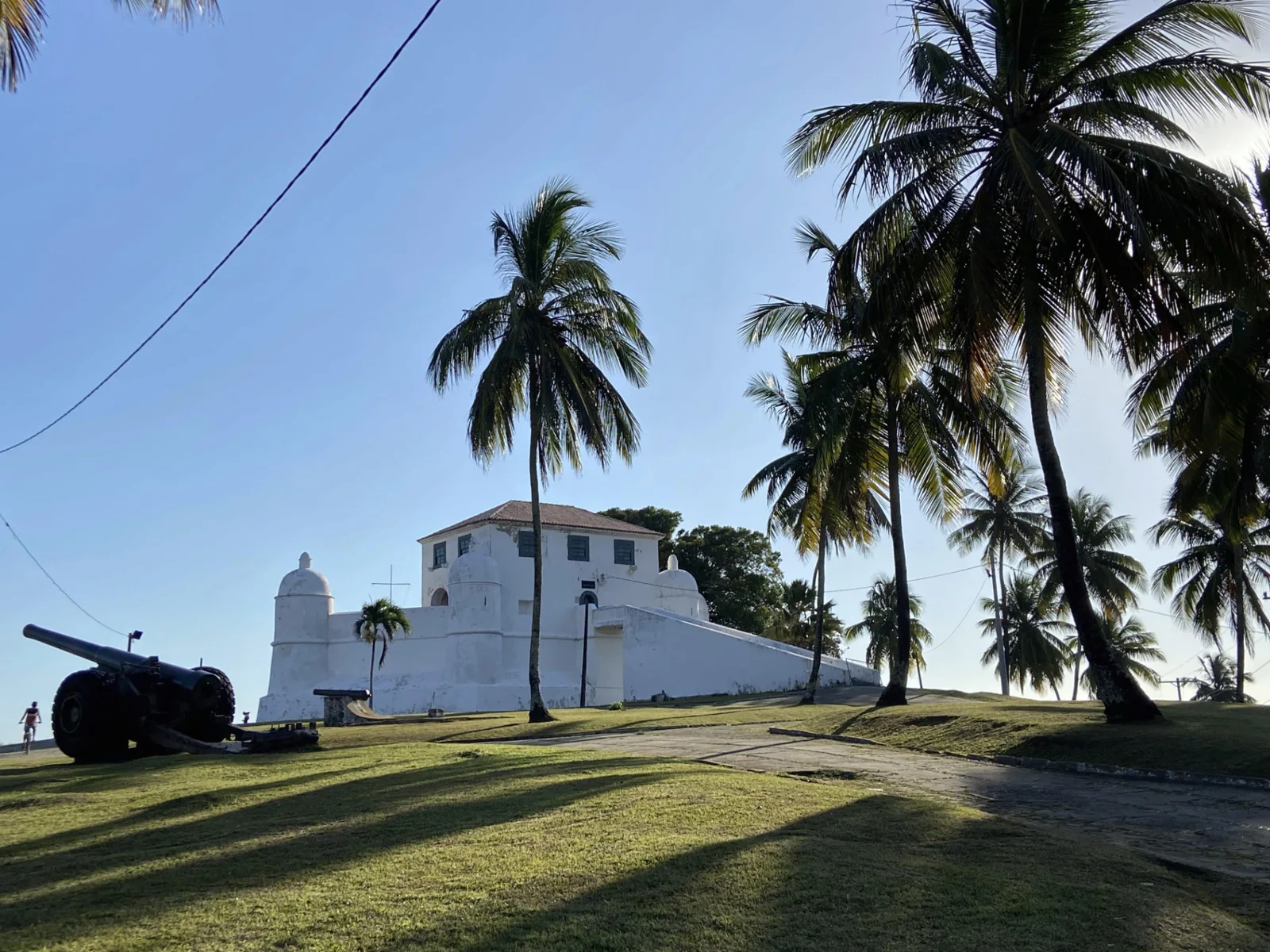
Birthplace of Brazil — The Essential Milestones of Salvador